Die Casting vs Screw Machining
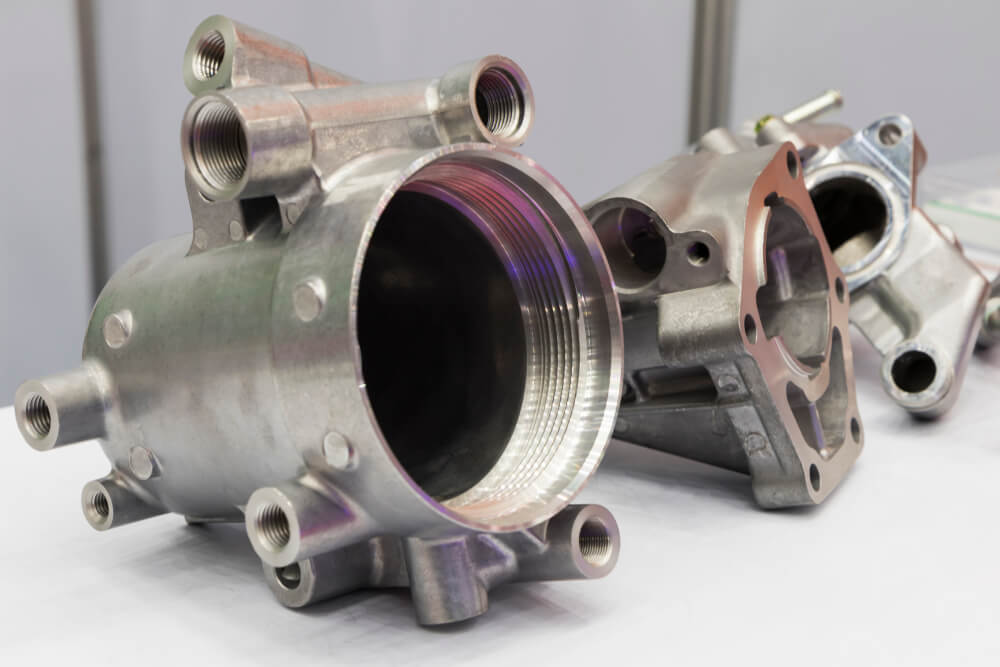
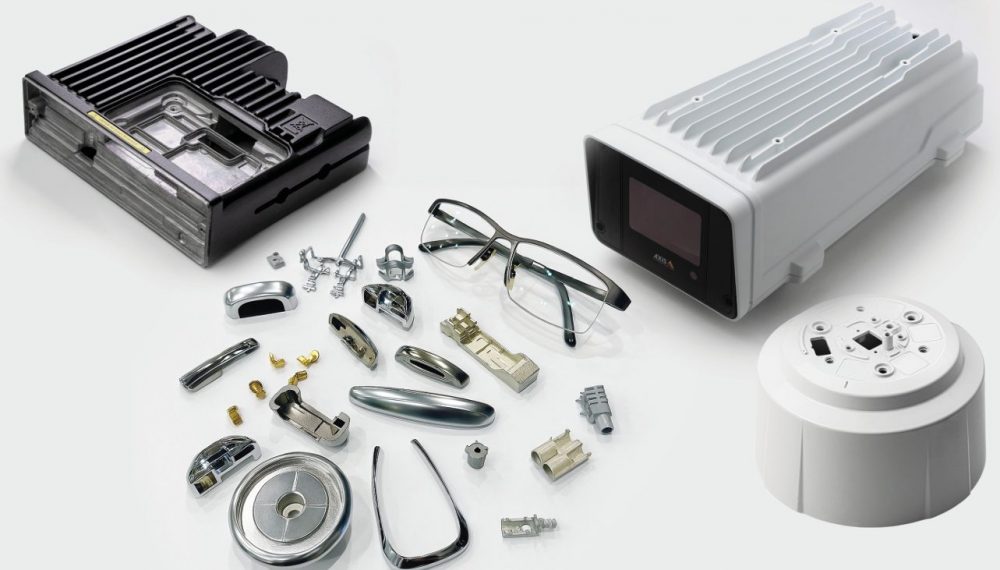
Precision metal components can be manufactured through die casting as well as screw machining. Both processes are able to produce parts with quick turnaround times, and exact tolerances. The decision…
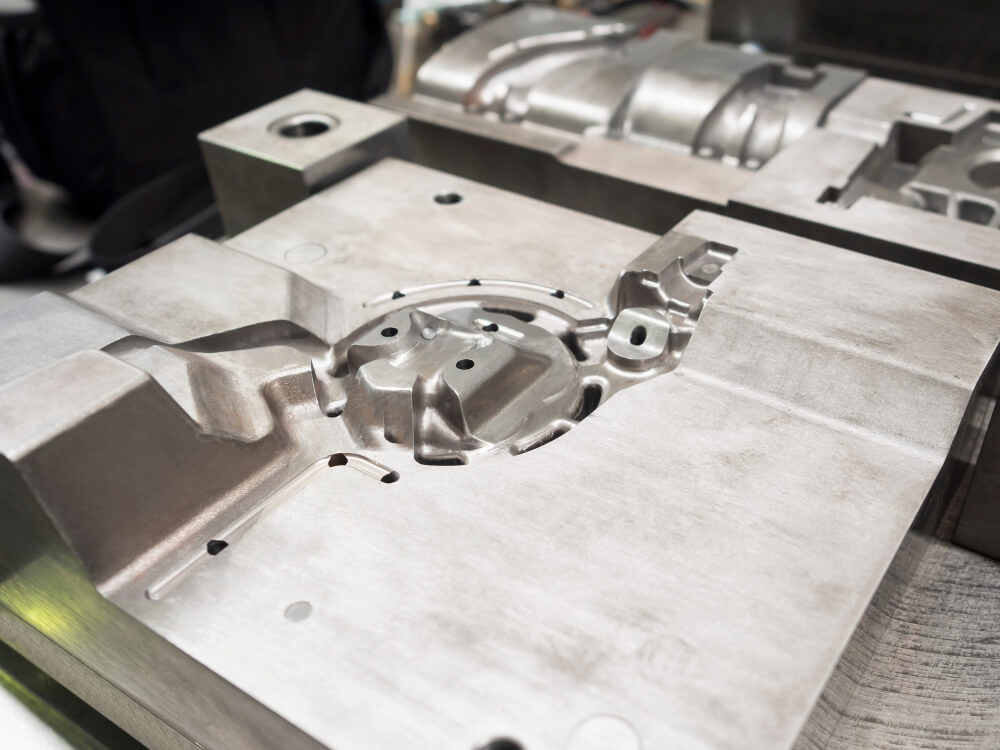
The die cast mold, or die cast tooling, is a crucial part of the die casting process. As such, the quality of your die cast mold is very important. Mold…
Modern die casting manufacturers employ many types of casting processes. Each one has its own advantages and disadvantages and as such, different applications. Here we explore the difference between two…
Die castings are usually produced using non-ferrous metals such as zinc, copper, aluminum, lead, magnesium, and pewter. The type of metal used determines whether a cold or hot chamber machine…
Zinc is one of the common metals used in die casting. Zinc die casting products can be found in many sectors and its high demand is due to its unique…
Aluminum is a metal that is silvery white in color. It is the 13th element in the periodic table and is the most widespread metal available on Earth. It is…
Casting has been a part of human lives for thousands of years. We only knew a single die casting process until the invention of gravity die casting or the low-pressure…
When we talk about die casting, there are two processes followed – HPDC (High-Pressure Die Casting) or Gravity die casting (Low-Pressure Die Casting). Both of them cater to different situations…
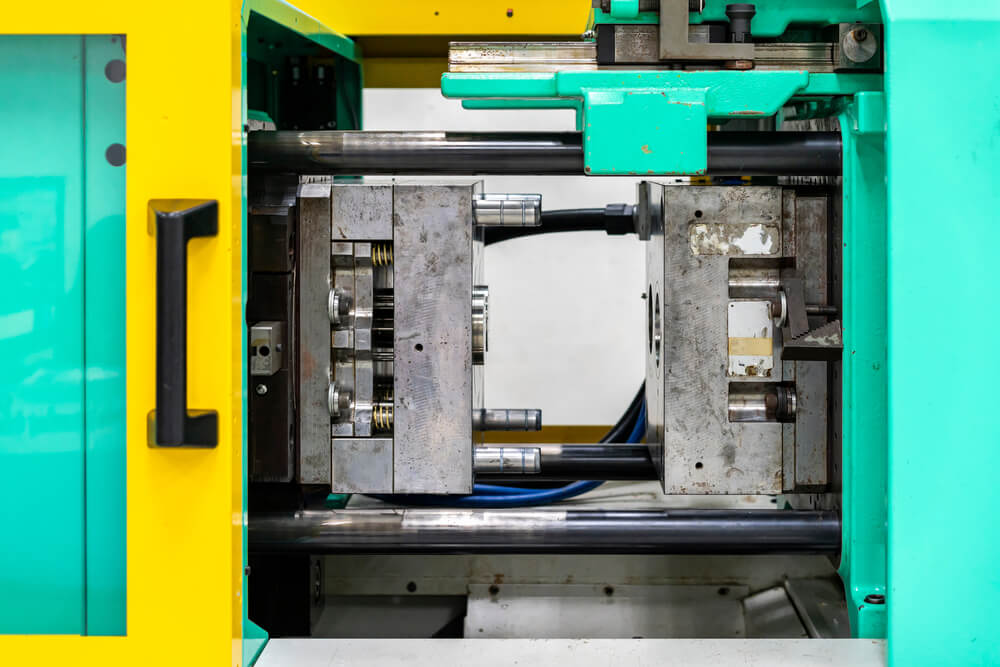
Die casting is a mechanized casting procedure wherein complex metal parts are manufactured by using reusing moulds, also known as dies. The first die casting machines were used for the…
The process The hot chamber die casting technique is mainly used for metals such as magnesium, zinc, and other low melting alloys. Compared to the cold chamber die casting process,…