High-mix, low-volume sheet metal is how most semiconductor equipment gets built, and every part still has to meet precision requirements. A single wafer processing, inspection or test tool can contain hundreds of sheet metal part numbers: mounting plates, brackets, cable management arms, covers and control unit enclosures. Each one is needed in small quantities, often just a few dozen per build, and designs change as the tool evolves. That makes semiconductor equipment one of the most demanding customers a sheet metal supplier can serve.
Table of Contents
Why Semiconductor Equipment Is High-Mix by Nature
Semiconductor tools are built in limited numbers and configured for each fab. That creates three conditions that shape every sheet metal order:
- Many part numbers, small batches. One order may cover 10 to 30 different parts, each in low quantity, all needed together for the same build.
- Frequent engineering changes. Tools are updated throughout their life, so drawings are revised often, and the wrong revision on the line means a part that does not fit.
- Long service life. Equipment stays in fabs for many years, so replacement parts must match the original long after the first build.
A supplier set up for long runs of one part struggles here. Setup time dominates cost, and a small error repeats across the whole kit.
Laser and Punch for Small Batches, Stamping When Volume Grows
The right process depends on quantity:
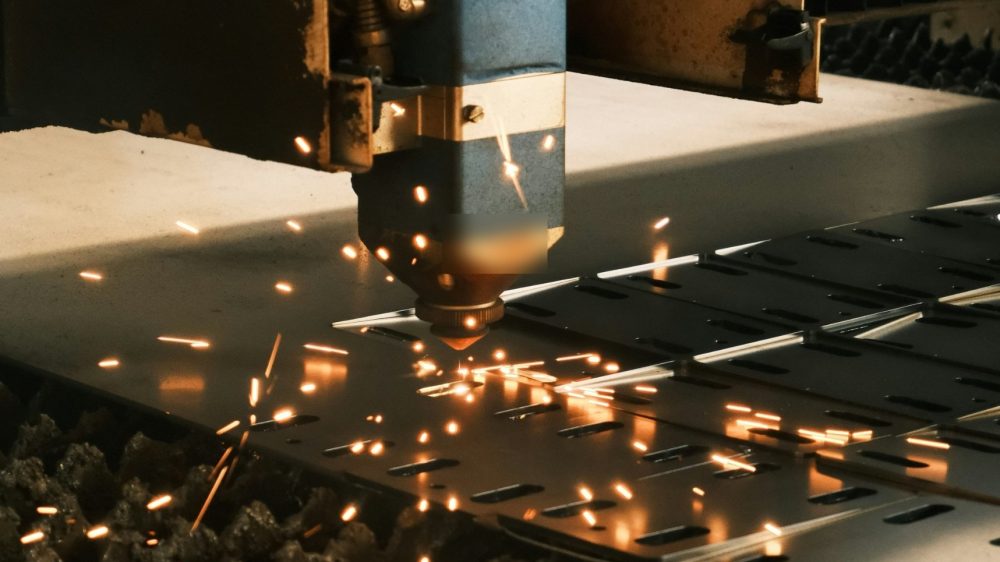
- Laser cutting and CNC turret punching need no dedicated tooling, so they suit prototypes, engineering changes and small batches. A revised drawing can go to production as soon as the program is updated.
- Stamping uses a dedicated tool, which costs more upfront but brings the per-part cost down when volumes rise.
A supplier that offers both can start a part on laser or punch, then move it to stamping if the program grows, without changing suppliers.
What High-Mix, Low-Volume Sheet Metal Demands
Setup efficiency matters more than run speed
In high-mix work, setup can be most of the job. Nesting several part numbers on one sheet, using standard bending tools across a part family, and programming parts before the material arrives keep lead times short without raising cost.
Revision control is a quality issue
With many active part numbers and frequent changes, the most common failure is not a bad bend, it is building to the wrong drawing. Revision checks at order entry, programming and inspection prevent this.
First-article inspection on every new revision
Because each batch is small, there is little room to adjust during production. A documented first-article inspection on every new part and revision, using tools such as CMM, confirms the part before the batch is made.
Kitting and traceability
Equipment builders often want all parts for one build delivered together, labeled by part number and revision. Packing by kit saves time on the assembly line and makes later replacement easier.
Design for Manufacturing Still Matters
Small volumes do not mean DFM can be skipped. Simple choices at the design stage reduce cost and lead time for every future order:
- Use consistent bend radii and material thicknesses across a part family, so the same tooling covers many parts
- Choose a bendable grade: aluminum 5052 forms well, while 6061-T6 tends to crack at tight bends
- Keep holes and slots at a safe distance from bends to avoid distortion
- Specify tight tolerances only on mating and mounting features, not the whole part
- Confirm finishing early, since powder coating, plating or anodizing add lead time to small batches
For a closer look at why precision matters in inspection tools, see our article on precision sheet metal for semiconductor metrology equipment.
Inside EKO’s Sheet Metal Operation
EKO’s sheet metal division in Penang is set up for exactly this mix of parts:
- Cutting: laser cutting and CNC turret punching
- Forming: press brakes, with bending lengths up to 3,000 mm
- Stamping: multiple stamping presses for higher-volume parts
- Hardware: PEM nut and standoff clinching
- Materials: aluminum (1100, 5052, 6061, 6082), cold-rolled and mild steel, galvanized steel, stainless steel (301, 304, 316) and copper, typically 0.5 to 10 mm thick
- After forming: welding, hairline and buffing, printing and mechanical assembly, with finishing such as powder coating and plating arranged as part of the order
Beyond semiconductor tools, the same team builds parts and enclosures for medical equipment such as ultrasound and dialysis systems. Combined with die casting and CNC machining within the EKO group, buyers can source sheet metal, cast and machined parts for the same build from one supplier. Learn more about our sheet metal fabrication services.
FAQ
What is high-mix, low-volume sheet metal?
It means producing many different part numbers in small quantities, rather than one part in large volume. It is common in semiconductor, medical and industrial equipment.
Is high-mix, low-volume sheet metal more expensive?
Per part, it can be, because setup time is spread over fewer pieces. Laser and punch processes avoid tooling cost, and good DFM keeps the cost under control.
When should a sheet metal part move to stamping?
When volumes are high and stable enough for the tooling cost to pay back. Until then, laser cutting or turret punching is usually more economical.